
Why the Right Cleaning Technique Matters Just as Much as the Result
A coat hanger, a bottle of drain cleaner, and a stubborn kitchen sink can turn Saturday morning into an expensive experiment. When water refuses to disappear, the obvious temptation is to attack whatever seems to be blocking the pipe. Yet the force that shifts a clog can also damage a fragile connection or push debris somewhere harder to reach. That’s why choosing an experienced team such as Wildpine Plumbing should involve more than asking how quickly someone can clear a drain. The real value lies in knowing which method belongs in which situation, and treating the plumbing behind the walls with as much care as the fixtures you can see.
Consider two drains that are equally slow. One might be narrowed by cooking grease, while another is tangled with hair and soap residue. Farther along the system, tree roots, misaligned pipe joints, or accumulated sediment may cause an entirely different problem. Before reaching for machinery, a careful plumber asks where the slowdown occurs, whether other fixtures are affected, and how often the trouble has returned. Those answers help identify the likely location of the restriction. When symptoms point to a sewer line or a recurring obstruction, a camera inspection may reveal problems that an ordinary cleaning attempt would miss.
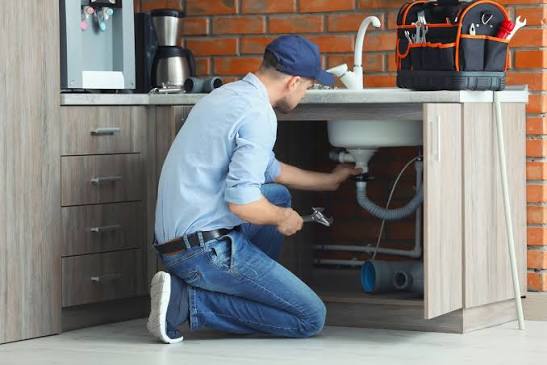
The equipment matters, but using it thoughtfully matters even more. A hand auger can sometimes clear a nearby fixture blockage, while a professional drain cable may be suitable for obstructions farther along a line. Hydro jetting uses high-pressure water to remove certain types of buildup, although it isn’t automatically the best choice for every pipe. Aging, damaged, or poorly joined sections may need closer evaluation before any forceful cleaning takes place. A responsible technician considers access, pipe condition, and the suspected material inside, then explains why a particular technique makes sense. A restored flow is welcome, but it shouldn’t come at the cost of a broken line.
Safety deserves a place in that conversation, too. Store-bought chemicals can be hazardous to handle, particularly when products are mixed or splashed back from standing water. If you’ve already poured a cleaner into the drain, tell the plumber before work begins. That detail helps them plan around possible exposure. Wastewater backing up from a toilet or floor drain raises separate concerns, since contaminated water shouldn’t be handled like an ordinary spill. Keep people away from the affected area and seek appropriate help. Professional service is as much about controlling risks and protecting the household as it is about getting the sink or shower running normally again.
Once the water drains smoothly, a few ordinary habits can help keep it that way. Scrape greasy pans into the trash instead of rinsing fat down the sink, use a hair catcher where practical, and pay attention when a familiar fixture begins draining more slowly. Ask what caused the obstruction and whether the plumber noticed any conditions worth monitoring. With Wildpine Plumbing, the standard to look for is straightforward: an explanation you can understand, a cleaning method suited to the pipe, and advice grounded in what was actually found. That’s a far better outcome than celebrating a quick fix only to face the same messy surprise next weekend.
…