
How Proper Repairs Help Homeowners Get More Years from Their Hot Water Systems
The first sign of trouble is often surprisingly ordinary, perhaps a longer wait for warm water or a shower that never gets quite hot enough. It is tempting to overlook these little changes, especially when the heater still seems to be doing its job. But waiting for a complete breakdown can turn a manageable repair into an inconvenient, expensive replacement. That is why scheduling water heater and tank repair before performance seriously declines deserves a place on every homeowner’s maintenance calendar. A little attention today may preserve an appliance that still has plenty of useful service ahead, while keeping the household’s daily routine comfortably predictable.
Inside a traditional storage heater, thyme leaves behind more than a few scratches. Minerals carried by the water can settle at the bottom, creating a layer of sediment that affects heat transfer and may contribute to unwanted noise. In areas with hard water, this process can be especially noticeable. An experienced technician can evaluate the buildup, inspect the tank’s condition, and decide whether flushing makes sense. The protective anode rod is another component worth checking, since its job is to help limit corrosion inside many tank-style heaters. Replacing a depleted rod at the appropriate time can sometimes make a meaningful difference to longevity.
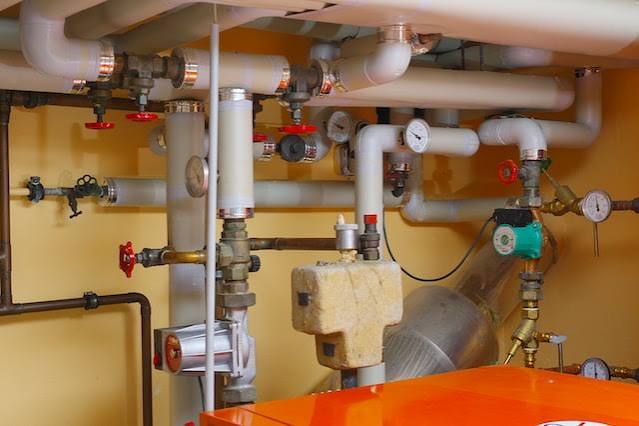
Of course, not every problem begins deep inside the tank. A tired thermostat may cause unpredictable temperatures, while a failing heating element can leave a family competing for the last bit of warm water. Lose fittings, damaged valves, and worn connections can also create leaks that deserve immediate investigation. The encouraging part is that many individual parts can be replaced without discarding an otherwise healthy unit. There is an important exception, though. When the actual storage tank has rusted through or developed a structural leak, installing a new heater is generally the safer, more practical choice than attempting a temporary patch.
Maintenance also gives homeowners an opportunity to understand what their equipment needs, rather than relying on guesswork. A professional inspection might include checking for corrosion, assessing accessible electrical or gas components, verifying safety devices, and discussing changes in heating performance. The right service interval depends on the manufacturer’s guidance, water conditions, and how heavily the system is used. Keeping a simple record of repairs and the unit’s installation date is useful when deciding what comes next. After all, spending money on repeated fixes for a badly deteriorated heater rarely makes sense, even when replacing it feels frustrating.
One of the nicest things about preventive care is that it gives families more control over timing. Instead of searching for a replacement during a hectic weekday, homeowners can weigh repair costs, compare equipment options, and prepare for an eventual upgrade. Trusted specialists in water heater and tank repair can explain which concerns call for prompt action and which maintenance steps may help a serviceable unit last longer. No appliance comes with an unlimited lifespan, and even excellent upkeep cannot prevent every failure. Still, sensible repairs, attentive observation, and well-timed professional advice can help make the most of an investment that quietly supports home life every single day.